Chicken Temperatures, the Honest Guide
Chicken is the meat people are scared of, and the fear is not wrong, it is just aimed badly. The rules are simple, the numbers are few, and the tool that settles every argument costs less than a takeout dinner. This guide gives you the numbers, the reasoning, and the habits that make chicken the easiest safe protein in the kitchen.
The single number that matters: 165 F (74 C), measured at the thickest part of the meat, not touching bone. That is the temperature at which salmonella and the other troublemakers die near instantly. Everything else in this guide is about hitting that number without drying the chicken out, which is where most home cooking actually fails.
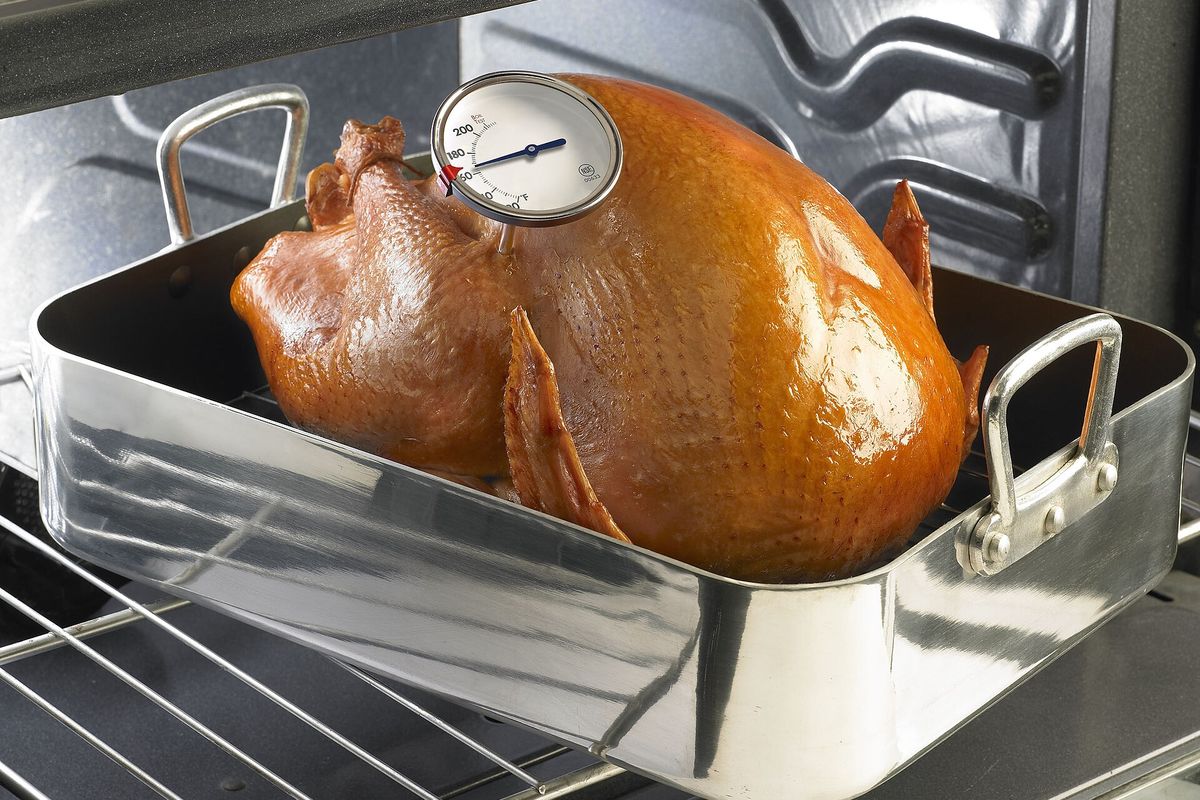
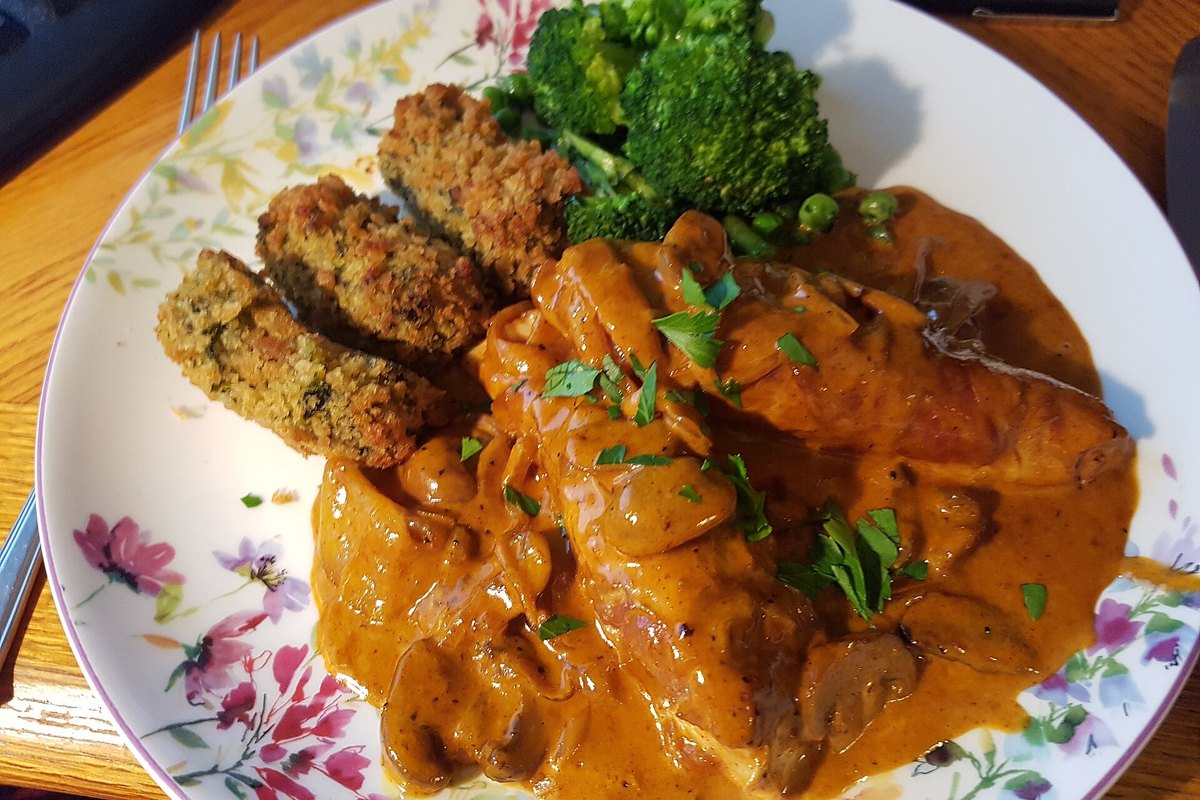
Photo: @FrogsLegs71 / Wikimedia Commons, CC BY-SA 3.0
What you will learn
- The one safe number, 165 F (74 C), and exactly where to put the probe to read it honestly.
- Why dark meat and white meat behave differently, and why thighs forgive you and breasts do not.
- What carryover cooking is, and how it lets you pull chicken at 160 F and still serve it safe and juicy.
- Why washing raw chicken does more harm than good, and what patting dry actually does.
- How every chicken recipe on this site uses the same simple rule, from baked breasts to garlic butter bites.
The number, and where to read it
165 F (74 C) in the thickest part of the meat. The thickest part is usually the center of the breast for a whole cut, the middle of the biggest piece for cubes and strips. Slide the probe in sideways into the thickest spot, and keep the tip away from bone, bone runs hotter than meat and lies to you.
The thermometer you want is an instant read, not a leave in oven probe, both work but the instant read is the one that changes how you cook. Digital reads in 2 to 3 seconds. If it reads within about 2 degrees of itself when you retest, it is telling the truth.
For ground chicken, like meatballs and burger patties, the whole batch goes to 165 F (74 C), no medium rare conversation exists for ground poultry. Grinding spreads surface bacteria through the meat, which is why the rule for ground meat is stricter than the rule for whole cuts.
White meat and dark meat
Breast meat is lean, and it dries out fast above the finish line. Between 165 F and 175 F (74 to 79 C), a breast goes from juicy to cardboard in a few minutes, which is why the juicy baked chicken breast method pounds to even thickness first, so no part of the breast overcooks while the thickest part catches up.
Thighs and drumsticks are dark meat, with more fat and connective tissue, and they actually improve with more cooking. A thigh at 165 F is safe and good, a thigh at 175 F (79 C) is safe and often better, the connective tissue melts and the meat gets more tender. That is why the crispy baked thighs and the baked drumsticks recipes come out forgiving where breast recipes demand attention.
Color is not a doneness cue you can trust. A slight pink tinge near the bone in dark meat can survive full safe cooking, young bones leak pigment into the meat, and clear juices are decent evidence but the thermometer is the verdict.
Carryover cooking, the pro move
Meat keeps cooking after it leaves the heat. A breast pulled at 160 F (71 C) and rested under foil for 5 minutes climbs to about 165 F on its own, and it is juicier than one cooked to 165 F in the oven, because the gentle climb tightens fewer fibers than full heat does.
This is why almost every chicken recipe on this site, like the air fryer chicken breast with its 3 minute rest, builds a rest into the method. The rest and the carryover are the same event seen from two sides.
Use it conservatively at first. Pull at 162 to 163 F (72 to 73 C), rest 5 minutes, and check the final temperature. Once your own pans and habits show you the climb, you can pull earlier with confidence. If you would rather not think about it at all, cooking straight to 165 F is always safe, only slightly less juicy.
Handling chicken without fear
Do not wash raw chicken. Splashing water aerosols bacteria across the sink, the counter, and anything within three feet, and it does nothing for the meat. Patting dry with paper towels does everything people think washing does, a dry surface also browns, which washing prevents. Discard the paper towels, wash hands with soap for 20 seconds, and keep raw chicken separate from ready to eat food.
Thawing: overnight in the fridge is the plan, in a sealed bag in cold water changed every 30 minutes is the rescue, about 1 hour for a pound. Never at room temperature on the counter, that is the one method that gives bacteria the exact window they want.
Leftovers: cool within 2 hours, fridge for 3 to 4 days, reheat to 165 F (74 C) or steaming hot all the way through. The storage and leftovers guide covers the containers and the timing in detail.
Tips
- Check the biggest piece first in any batch, and probe two or three pieces, thickness varies more than ovens do.
- A remote style leave in probe is worth it for whole birds and big roasts, but a 12 dollar instant read covers every weeknight chicken dinner you will ever make.
- Calibrate doubt away, a glass of ice water should read 32 F (0 C), and a rolling boil should read 212 F (100 C) at sea level. Thirty seconds, once a year.
- When a recipe gives you a time, it is offering a guess about your pan, your fridge, and your chicken. The thermometer replaces the guess with the answer.
FAQs
Is 165 F really instant, or do I hold it there?
At 165 F (74 C) the relevant bacteria die near instantly, so no holding time is needed. At 150 F (66 C) the same job takes about 3 minutes, which is why sous vide chicken at lower temperatures is still safe, the time does the work the temperature skips. For weeknight chicken, 165 F and done is the rule that never needs a table.
What if my chicken reads 170 F, is it ruined?
It is safe and slightly overcooked, and whether it tastes dry depends on the cut. A thigh at 170 F (77 C) is genuinely fine, dark meat holds on. A breast at 170 F will be dry, slice it thin, sauce it, and pull earlier next time. Note the gap between the recipe time and your oven and adjust.
Can I trust the pop up timer in a whole chicken?
Not really. They are set to pop at a safe-plus margin, usually in the breast, and they often overshoot into dry territory. Use them as a hint that the bird is close, then confirm the old fashioned way, 165 F (74 C) at the inner thigh and the thickest part of the breast.
Do I need to rest small pieces like bites and strips?
Briefly, yes, 3 minutes is enough for pieces under 2 inches. Bigger cuts and whole birds want 5 to 10. The rest is when the juices redistribute, skip it and the juice goes on the board instead of in the bite, no matter how perfectly you hit the temperature.
Recipes that use this skill


Questions cooks actually ask
Is 165 F really instant, or do I hold it there?
At 165 F (74 C) the relevant bacteria die near instantly, so no holding time is needed. At 150 F (66 C) the same job takes about 3 minutes, which is why sous vide chicken at lower temperatures is still safe, the time does the work the temperature skips. For weeknight chicken, 165 F and done is the rule that never needs a table.
What if my chicken reads 170 F, is it ruined?
It is safe and slightly overcooked, and whether it tastes dry depends on the cut. A thigh at 170 F (77 C) is genuinely fine, dark meat holds on. A breast at 170 F will be dry, slice it thin, sauce it, and pull earlier next time. Note the gap between the recipe time and your oven and adjust.
Can I trust the pop up timer in a whole chicken?
Not really. They are set to pop at a safe-plus margin, usually in the breast, and they often overshoot into dry territory. Use them as a hint that the bird is close, then confirm the old fashioned way, 165 F (74 C) at the inner thigh and the thickest part of the breast.
Do I need to rest small pieces like bites and strips?
Briefly, yes, 3 minutes is enough for pieces under 2 inches. Bigger cuts and whole birds want 5 to 10. The rest is when the juices redistribute, skip it and the juice goes on the board instead of in the bite, no matter how perfectly you hit the temperature.
Put it to work tonight in chicken dinners.