
Chocolate: Buying, Storing, and Baking With It
Chocolate recipes fail on two things, melting it too hot and swapping the wrong type, and both come from not knowing what the labels mean. This page covers percentages, the white bloom that scares everyone for nothing, storage that keeps flavor, and melting that stays silky.
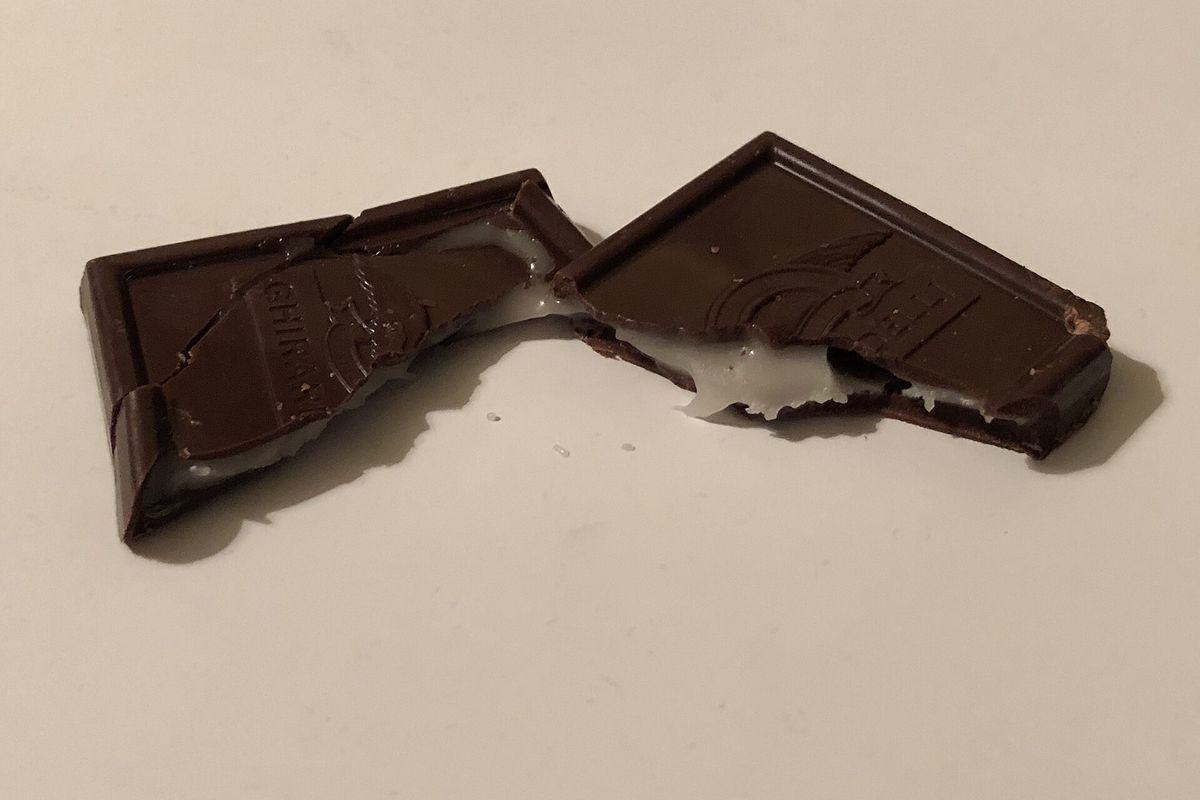
Photo: @Ubcule / Wikimedia Commons, CC BY-SA 4.0
What it is
Chocolate is cocoa solids, cocoa butter, and sugar in different ratios. Bittersweet and semisweet sit around 60 to 70 percent cocoa and are the standard for cookies and ganache. Unsweetened is 100 percent solids and butter, used with recipe-adjusted sugar. Milk chocolate adds milk powder and more sugar, sweeter, softer, and it burns more easily. White chocolate contains no cocoa solids at all, only cocoa butter, sugar, and milk, which is why it is not legally chocolate and why it scorches so fast.
Cocoa powder comes in natural, acidic and fruity, and Dutch-processed, neutralized and dark. They do not swap blindly in baking: the type affects which leavening works, so follow what the recipe calls for.
How to buy
Read two things: the percentage and the ingredient list. A 70 percent bar whose first ingredient is sugar is candy; cocoa butter should be in the list, and vegetable fat instead of cocoa butter means a compound coating that never behaves like chocolate in baking. For chips, the stabilizers that hold the chip shape also resist melting, which is why bars melt better than chips for ganache and sauces.
For eating, taste is taste, buy what you like. For baking, the recipe's percentage matters, a 60 percent and an 85 percent bar are not interchangeable without adjusting sugar.
How to store
Chocolate keeps best at a steady room temperature, 60 to 70 F (15 to 21 C), dark and dry, sealed against pantry odors, which cocoa butter absorbs readily. Dark chocolate keeps 1 to 2 years this way, milk and white 6 to 12 months, because their milk fat goes stale sooner. Refrigeration is for hot climates only, sealed airtight, and the bar must come back to room temperature sealed, or condensation sugars on the surface.
The white dusty or streaky film is bloom, fat or sugar crystals migrating to the surface. Bloomed chocolate looks old and is completely safe, and once melted it usually re-emulsifies, though bloom-fat chocolate is best used in baked things rather than for coating.
How to prep
Melt it low and slow, in short microwave bursts at 50 percent power, stirring between each, or over a water bath where the bowl never touches the simmering water. Water is chocolate's enemy: one drop of water seizing melted chocolate into a grainy paste, and once seized it will not come back for coatings. If it seizes in a sauce context, whisking in warm cream or milk rescues it as ganache.
Chopping from a bar gives the most even melt, and tempering, precise heating and cooling to set the cocoa butter glossy, only matters for dipped candies that must snap and shine at room temperature. For brownies, cookies, and sauces, skip the tempering, nobody can tell.
Substitutes
- Cocoa powder for baking chocolate: 3 tablespoons cocoa plus 1 tablespoon butter or oil replaces 1 ounce of unsweetened chocolate in baked goods.
- Semi-sweet for bittersweet: swap one to one, the result is a touch sweeter, cut the recipe sugar by a tablespoon per ounce if you care.
- Carob: a caffeine free stand-in with a maltier flavor, swaps one to one by weight in brownies, though the color and flavor are unmistakably not chocolate, and there is no shame in that being a dealbreaker.
Questions cooks actually ask
Why did my melted chocolate get thick and grainy?
Seizing from heat or water. Overheating breaks the emulsion and a single drop of water triggers it too. Keep the heat low, keep every bowl and spatula bone dry, and if it seizes, whisk warm cream into it by the spoonful until it turns into smooth ganache, then use it as a sauce instead of a coating.
Is white bloom on chocolate mold?
No, bloom is fat or sugar crystals that migrated to the surface, harmless and common after temperature swings. It affects looks, not safety, and melting usually clears it. Real mold on chocolate is rare and looks fuzzy and colored, not dusty white.
Can I use chocolate chips instead of chopped chocolate?
In cookies, yes, that is what they are for. In ganache, sauces, and tempering, no, chips contain stabilizers that keep them from melting smoothly, so they stay thick and dull. Chop a bar for anything that must melt silky.
What percentage should I use for baking?
Follow the recipe, and when it is unspecified, 60 to 70 percent is the safe default for cookies, brownies, and ganache. Below 55 percent turns things cloying, above 80 percent the bitterness needs extra sugar and the texture goes drier.