
Eggs: Buying, Storing, and Cooking Them Right
Eggs are the fastest protein in the kitchen and the one people are least sure about, mainly around freshness and that floating test. This page covers what the dates mean, how long eggs really keep, and the temperatures that make them safe without turning them rubbery.
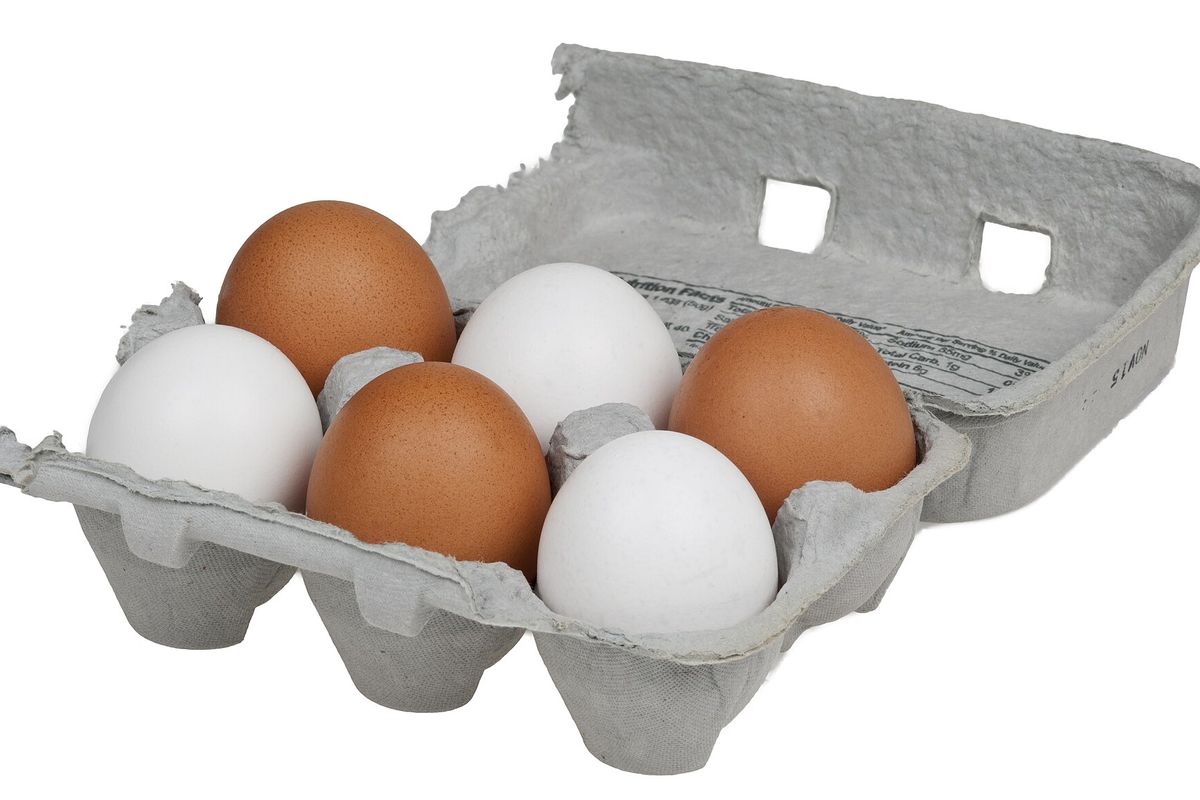
Photo: @Krzysztof Golik / Wikimedia Commons, CC BY-SA 4.0
What it is
Almost all eggs sold in stores are unfertilized and unlaid-chick-free, so the fertilized worry can go. The white has two layers, a thick one that holds a fresh egg together and a thin one that spreads as the egg ages. Yolk color comes from the hen's diet, corn makes it darker, and it says nothing about nutrition or taste. Brown and white shells are the same inside, the breed decides the color.
How to buy
Open the carton at the store, every time. One cracked egg leaks over the whole box. Check the sell-by date, which is a store inventory date, and count from that: eggs keep 3 to 5 weeks in the fridge from the day you buy them. Grade AA, A, and B measure appearance and firmness, not safety, and for scrambled eggs the difference is invisible.
Size matters more than grade in recipes. Large is the standard every recipe assumes, and two mediums stand in for one large in a pinch. Jumbo eggs in a baking recipe can shift the texture, so keep to Large for baking.
How to store
Refrigerate in the original carton on a shelf, never in the door, where every opening warm-shocks them and rattles the shells. The carton blocks the egg's porous shell from picking up fridge odors. Raw eggs in the shell keep 3 to 5 weeks. Hard cooked eggs keep 1 week, refrigerated, and write the cook date on the shell.
Eggs freeze well without the shell: beat whole eggs together, freeze in ice cube trays or a labeled bag for up to 1 year, and thaw in the fridge for scrambles and baking. Whites freeze on their own for 1 year. Yolks alone need a pinch of salt or sugar per quarter cup or they turn gummy.
How to prep
Cold eggs are easier to separate, but room temperature whites whip taller, so pull them out 30 minutes ahead for meringues and souffles. For boiled eggs, older eggs peel easier than farm-fresh ones, and a hard shock in ice water stops the green ring around the yolk.
The safety number: cook eggs until the white and yolk are firm, or hold mixed dishes like quiche at 160 F (71 C). Runny yolks are a personal risk call; serve them only to healthy adults, never to young children, pregnant women, or anyone with a weakened immune system. Pasteurized shell eggs exist for those cases.
Substitutes
- Flax egg: 1 tablespoon ground flaxseed plus 3 tablespoons water, rested 5 minutes, replaces 1 egg in muffins, pancakes, and cookies where eggs bind rather than lift. Texture gets denser and a little nutty.
- Aquafaba: 3 tablespoons of chickpea can liquid replaces 1 whole egg, and it whips into meringues the way whites do. The flavor is faintly beany before baking and disappears after.
- Commercial replacer or extra yolk swaps: for custards and sauces where eggs thicken, cornstarch slurry stands in, 1 tablespoon cornstarch per egg, cooked to a full bubble.
Questions cooks actually ask
How do I tell if an egg is fresh?
Float it in cold water. Fresh eggs sink and lie flat, older eggs stand upright on the end, and floaters have an air cell big enough that they should be discarded. The float test says nothing about safety, only age, so a floater can still be technically safe, but there is no reason to keep it.
Are eggs with blood spots safe?
Yes, the spot is a burst blood vessel on the yolk surface, not a chick and not a disease. It has no effect on taste or safety. Scoop it out with the shell half if it bothers you, it comes away clean.
Can I eat eggs past the sell-by date?
If they have been refrigerated continuously, yes, for 3 to 5 weeks from purchase. The float test and a crack-and-smell check settle it: any sulfurous or off smell means the egg goes out. The date is quality guidance for the store, not a safety cliff.
Why did my boiled eggs turn green around the yolk?
Overcooking. The green-gray ring is iron from the yolk meeting sulfur from the white, and it is harmless but chalky. Boil 9 to 12 minutes for hard cooked, then move the eggs straight to ice water. Old eggs cooked long and cooled slowly are the usual offenders.