
Rice: Buying, Storing, and Cooking It Right
Rice is the world's staple and still the dish people most often get gummy or crunchy, usually over water math and the rinse. This page covers the rice types that matter, how to cook them without a recipe's guesswork, and the one reheating rule that keeps day-old rice safe to eat.
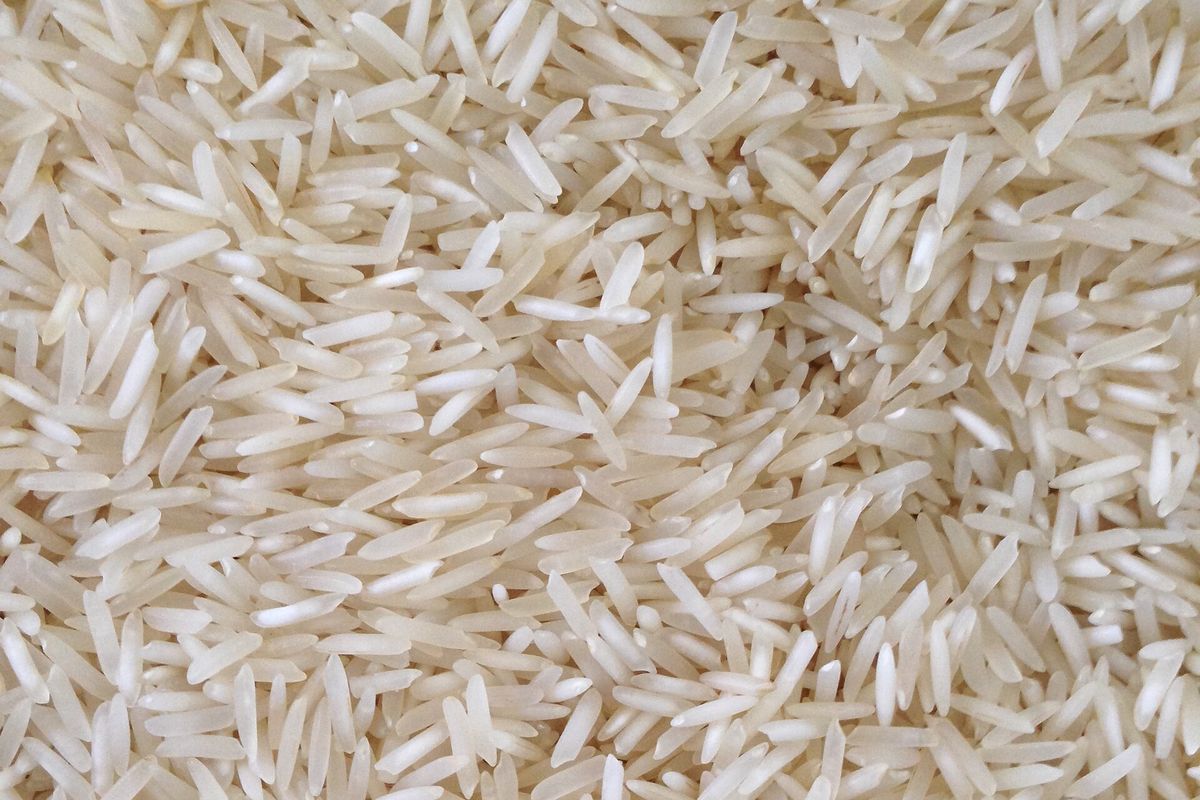
Photo: @Calgary Reviews from Calgary, Canada / Wikimedia Commons, CC BY 2.0
What it is
Long grain rice, like basmati and jasmine, cooks into separate fluffy grains, which is what you want for pilafs, fried rice, and anything served beside a stew. Short and medium grain, like sushi rice and arborio, release surface starch and turn sticky or creamy, which is what sushi, risotto, and rice pudding run on. Brown rice is the same grain with the bran left on: nuttier, chewier, longer cooking, and it spoils faster because the bran's oils go rancid.
Parboiled and instant rice are pre-cooked at the mill, which is why they survive overcooking and why they never quite taste like the real thing.
How to buy
Dry rice keeps for years, so buy the size that fits your cooking, there is no freshness clock to chase. Check the bag is sealed and the rice is dry and free flowing, not clumped. For jasmine and basmati, freshness actually matters at the counter, newer crop cooks softer, so buy brands with turnover.
Match the rice to the dish: basmati for Indian and pilaf, jasmine for Thai and general dinner, long grain for fried rice that must not clump, short grain for sushi and rice pudding, arborio for risotto. Using the wrong type is the number one reason a rice dish disappoints before the cooking even starts.
How to store
Dry rice keeps in an airtight container in a cool, dark pantry for years, brown rice only about 6 months because of the bran oils, longer in the freezer. Cooked rice keeps 4 days refrigerated in a shallow container, and it freezes well for 6 months in flat bags.
The safety rule that matters: cool cooked rice quickly, within 2 hours, spread on a tray or in a shallow dish. Rice can carry Bacillus cereus spores that survive cooking and multiply in warm, sitting rice, and their toxins are not destroyed by reheating. Day-old rice left in a warm pot overnight is the classic case, and no amount of boiling fixes it.
How to prep
Rinse rice in cold water until the water runs mostly clear, three or four swishes, unless the dish is a pudding or risotto, where you want that starch. Rinsing stops gummy grains and washes off loose surface starch and dust.
Then the ratio and the rest. Standard long grain: 1 cup rice to 1.5 cups water, lid on, lowest heat, 15 minutes, then off the heat and rest 10 minutes with the lid still on, no peeking. Jasmine and basmati take a bit less water, brown rice takes more water and 35 to 45 minutes. A tight lid and patience beat stirring, stirring is what makes it gluey.
Substitutes
- Quinoa: cooks in 15 minutes with a similar fluff, adds protein, and stands in for rice in bowls and pilafs, though the flavor is grassier. Rinse it well or it tastes soapy.
- Cauliflower rice: for a low carb swap, grated and sauteed cauliflower does fried rice duty with a 5 minute cook. Texture is tender crisp, not chewy, and it does not absorb sauce the same way.
- Barley or farro: chewier and nuttier, great where rice sits under a stew, though both need 25 to 40 minutes and neither works for sushi or pudding.
Questions cooks actually ask
Why is my rice mushy or crunchy?
Mushy means too much water, too long, or the lid was lifted and steam escaped then extra water was added. Crunchy means too little water, heat too high so it finished before absorbing, or brown rice treated like white. Measure the water, keep the lid closed, and use the lowest flame.
Do I need to rinse rice?
For plain steamed rice, yes, rinsing removes surface starch and gives you separate grains. For risotto, rice pudding, and sushi, no, you are either relying on the starch for creaminess or for binding. The rinse is a texture tool, not a hygiene step.
Is reheated rice safe?
Reheated rice is safe if it was cooled within 2 hours of cooking and refrigerated. Reheat once, until steaming hot all the way through, and never reheat a second time. The risk is not the reheating, it is the sitting warm in between.
Can I use day-old rice for fried rice?
Yes, day-old refrigerated rice is actually the best for fried rice, the grains are dry and separate instead of steaming into clumps. Fresh rice works if you spread it on a tray and chill it 30 minutes first.