Method · 6 recipes
Stovetop Recipes
Stovetop cooking is the most responsive kind there is. You are standing there, you can see, smell, and taste as it happens, and you can fix things in real time that an oven would punish you for. The recipes in this hub teach you to use that feedback: how a soup looks before it boils over, how eggs behave as they set, how a treat mixture feels the moment it comes off the heat.
That responsiveness is also why stovetop recipes need precise instructions more than oven recipes do. A casserole forgives a five minute slip. A roux does not. So every recipe here gives the heat level, the visual cue to watch, and the timing that actually matters, which is usually not the clock but the appearance of the thing in the pan.
The payoff is speed and a cooler kitchen. Six recipes in this hub never ask for more than one burner, and several of them, the egg salads and the cereal treats, are the kind of cooking you will eventually do from memory.
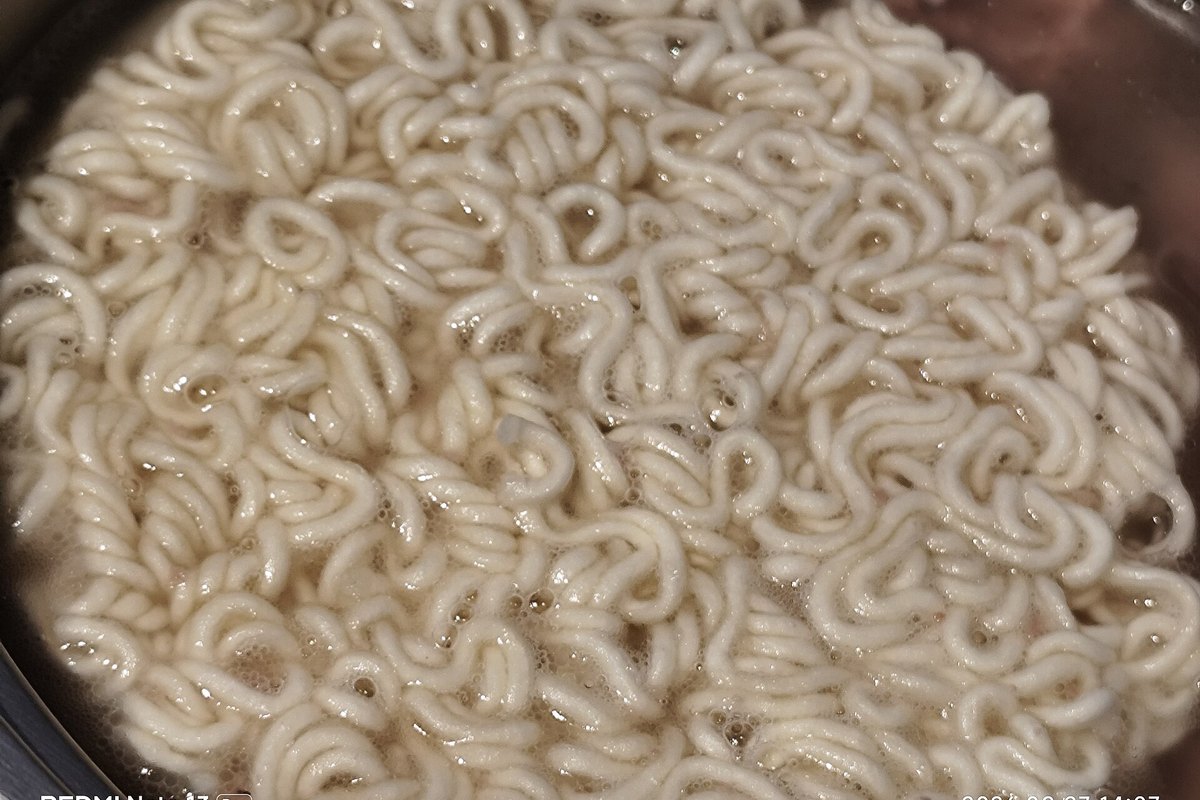
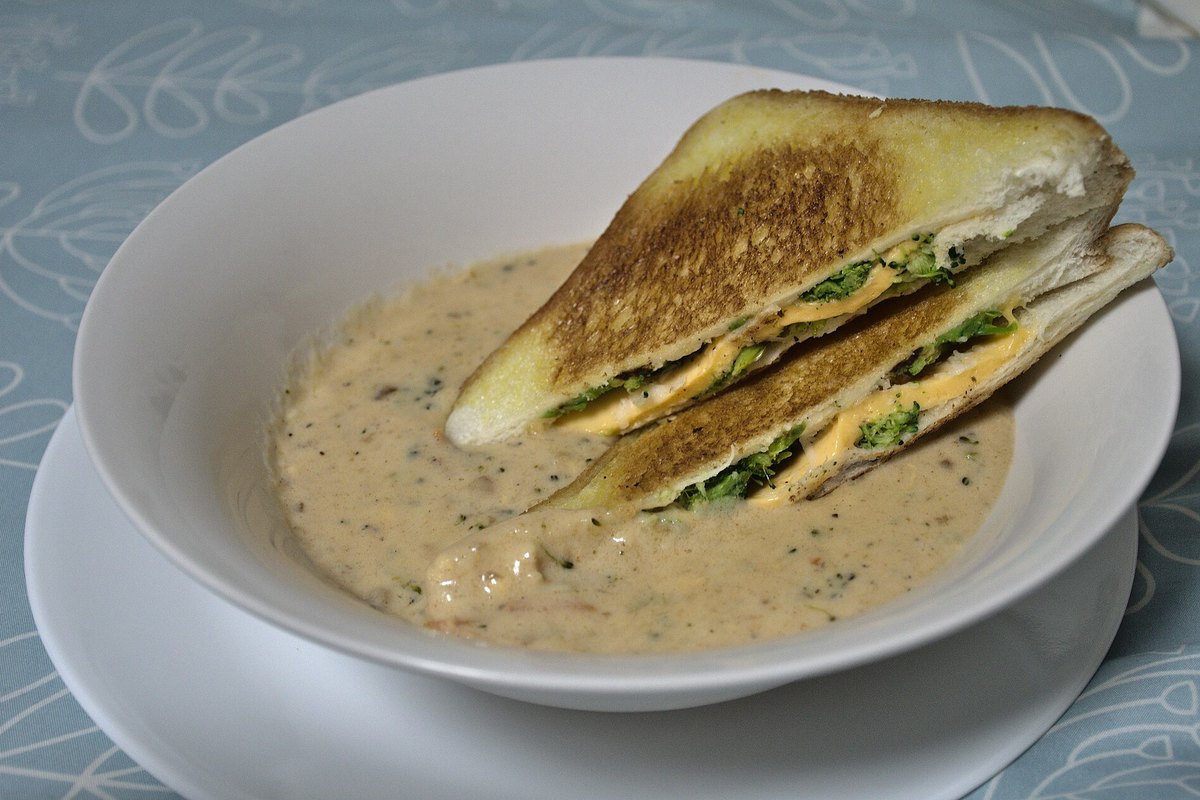
Photo: @LIEMN PorkwE MAO / Wikimedia Commons, CC0
Who it is for
Anyone cooking on a single burner, whether in a small kitchen, a rental, a dorm, or just the week the oven is full of something else. Also anyone who wants to stop timing eggs by hope and start reading them by look.
How to choose
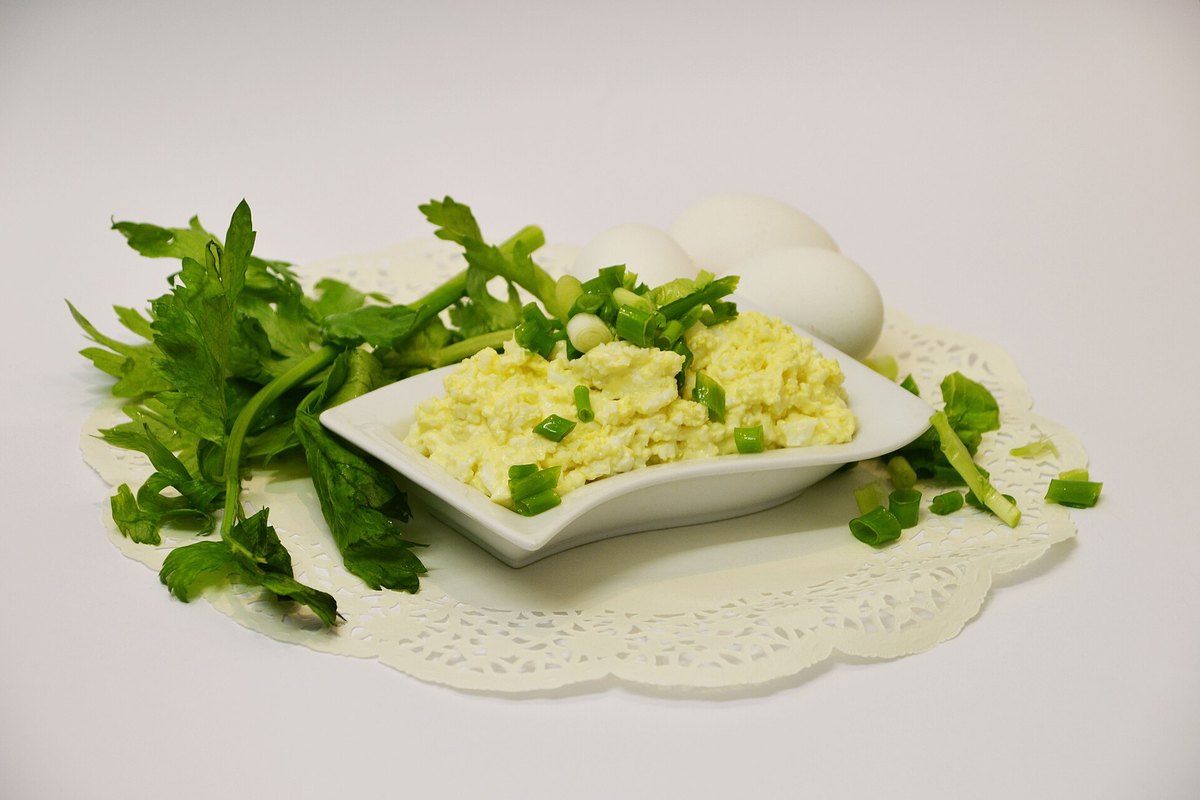
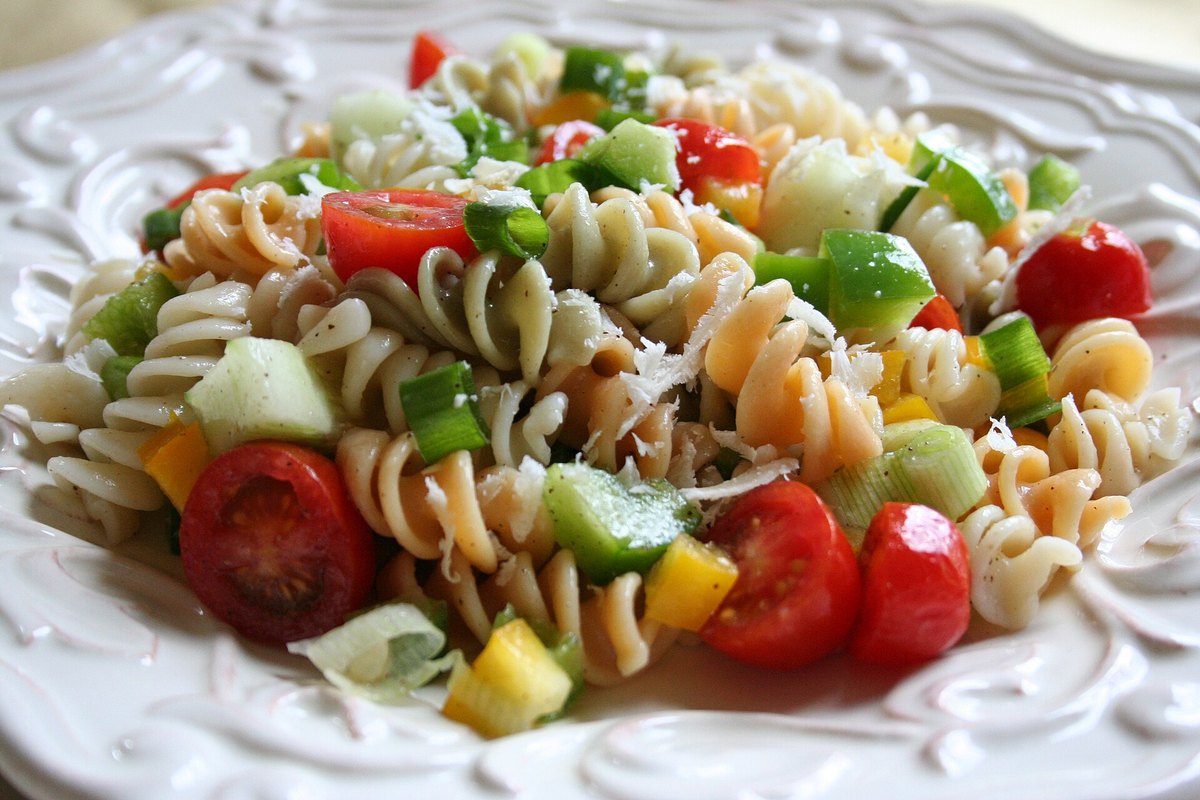
Lunch in ten minutes? Classic Egg Salad, no heat at all, or Classic Pasta Salad with one pot of water.
Soup that beats the can? Creamy Tomato Soup, Creamy Broccoli Cheddar Soup, or Loaded Potato Soup.
Treats without the oven? Marshmallow Cereal Treats, one pot, ten minutes, done.
Building knife and pan skills? Start with the tomato soup, it teaches sweating onions and blending smooth.
The recipes
6 recipes here

Questions cooks actually ask
What heat level do the recipes actually mean?
Every recipe spells it out: medium means the pan sizzles gently, not violently, and medium low means steady small bubbles, not stillness. If your burners run hot, the visual cues on each page matter more than the dial numbers, and the recipes repeat the cues at each step.
Why did my soup scorch on the bottom?
Usually the heat was too high or the pot was too thin. Dairy soups need medium low and the bottom swept with a spatula as they warm. The soup recipes here say when to stir and when to leave it alone, which is most of the secret.
Can I double these recipes?
The soups double fine with one change: use a wider pot and give them a few extra minutes, because a fuller pot heats slower. The cereal treats double fine in a bigger pan. The egg salads scale freely. Any recipe with a doubling caveat says so in its notes.
Keep exploring
Related collections
Oven Recipes
Handing the work to the oven instead, the oven hub has the baking side of the site.
One Pan Recipes
Full dinners from a single pan live on the one pan hub.
Lunch
Most quick lunches are stovetop quick, see the lunch hub for the collection.